

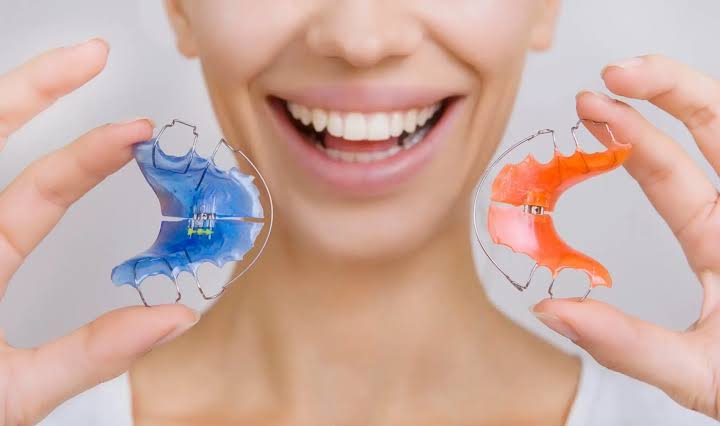
You finally finished braces or aligners, and for a moment it felt like the hard part was over. Then real life stepped in. Your retainer feels tight, or maybe it cracked, started to smell, or simply went missing. If that sounds familiar, you are not overreacting. Retainer problems can feel small from the outside, but when you have worked hard for your smile, even one issue can bring a quick wave of stress. The short version is this. Most common retainer problems have a fix, and an orthodontist can usually help you protect your results before a small problem turns into tooth movement. If you need an orthodontic consultation in Bellevue WA, getting help early can make all the difference.
Retention matters because teeth have a natural tendency to shift after treatment. If you want a clear overview of how retainers fit into long term care, this guide on orthodontic patient education offers helpful background, and this retainers reference explains the role of retainers in keeping teeth in position. So, what tends to go wrong most often, and what can actually be done about it?
Why does a retainer suddenly feel tight, and what does that mean?
A tight retainer usually means your teeth have started to move, even if the change is slight. This often happens after inconsistent wear. You skip a few nights, or you stop wearing it for a week because life gets busy, and then the retainer no longer slides in the way it used to. That can be alarming, especially if you are wondering whether all your progress is slipping away.
Here is the part that matters. A snug retainer does not always mean a major setback, but forcing it into place can cause pain or damage. An orthodontist will check whether the fit is still safe, whether the movement is minor, and whether your current retainer can still be used. In some cases, you may be told to return to a stricter wear schedule. In others, you may need a new appliance or a short round of correction. This is one of the most common retainer problems orthodontists treat, and timing makes a real difference.
What happens when a retainer cracks, bends, or stops fitting right?
Retainers go through a lot. They get wrapped in napkins, dropped in sinks, left in hot cars, and cleaned with methods that seem harmless until the plastic warps or the wire bends. Once that happens, the retainer may look almost fine, which is why many people keep wearing it and hope for the best. But a damaged retainer can press in the wrong places or fail to hold teeth where they belong.
An orthodontist will usually inspect both the appliance and your bite. If the damage is minor, there may be a repair option, especially with some wire retainers. If the retainer is warped or cracked, replacement is often the safer choice. Because a poor fit can lead to unwanted movement, this is not something to put off for long. If you are dealing with common retainer issues, this one is worth taking seriously even if it seems cosmetic at first.
Why do retainers start to smell, stain, or feel unpleasant to wear?
This problem is more common than people admit. A retainer can collect plaque, bacteria, and mineral buildup over time, especially if it is not cleaned daily or if it is stored while still damp. The result may be a cloudy look, a bad smell, or a strange taste that makes you want to avoid wearing it. And once you wear it less, you create a second problem, which is tooth shifting.
Orthodontists usually solve this by showing you how to clean the retainer the right way and checking whether the buildup has already affected the material. Some retainers can be cleaned well and kept in use. Others become too worn or rough and need replacement. The goal is not just to make it smell better. It is to keep the appliance safe, comfortable, and easy to wear every day.
What if you lost your retainer and do not know how urgent it is?
Losing a retainer can spark instant panic, especially if it happened while traveling or during a busy week. You may wonder if you can wait, or if a few days really matter. The answer depends on how long you have been out of active treatment, how stable your teeth are, and how quickly your teeth tend to move. For some people, a short gap causes little change. For others, movement starts sooner than expected.
An orthodontist will often recommend calling as soon as possible. If you still have an older retainer that fits comfortably, you may be told to use it until your appointment. If not, a replacement may need to be made quickly. This is one reason many people ask about orthodontist retainer repair and replacement before they actually need it. Having a plan lowers stress and can save you from more treatment later.
How does home care compare with professional help for retainer issues?
It is tempting to fix things yourself. You might try hot water for a tight retainer, household cleaners for odor, or gentle pressure for a bent wire. The problem is that these quick fixes can make the situation worse. So where is the line between basic care and a real office visit?
| Issue | What You Can Do at Home | When an Orthodontist Should Step In | Main Risk of Waiting |
| Tight retainer | Try it gently if it is only slightly snug and not painful | If it hurts, will not seat fully, or has been unworn for several days | Teeth may keep shifting |
| Cracked or bent retainer | Store it safely and stop forcing it into place | Right away, to assess repair or replacement | Wrong pressure on teeth or no retention at all |
| Odor or buildup | Clean daily with approved methods and rinse after use | If smell, stains, or rough spots do not improve | Bacteria buildup and poor wear habits |
| Lost retainer | Use a backup only if it still fits comfortably | As soon as possible for a replacement | Relapse that may require more treatment |
What can you do right now if your retainer is giving you trouble?
- Stop guessing and check the fit honestly.
If your retainer hurts, does not seat fully, or looks damaged, do not force it. A little pressure is one thing. Pain, visible cracks, or obvious warping are different. Pay attention to what changed and when it started.
- Clean and store it the right way.
Rinse it after wearing, let it dry as directed, and keep it in its case. Avoid heat, harsh cleaners, and improvised storage. Many retainer issues begin with ordinary habits that seem harmless in the moment.
- Contact an orthodontist before the problem grows.
A quick visit can tell you whether you need a new retainer, a repair, or simply better wear guidance. That is often far easier and less expensive than correcting shifted teeth later. If you need help with a retainer concern, reach out to an orthodontist and get clear next steps.
A retainer issue can feel like a setback, but it does not have to become one. Most problems, from tightness to breakage to loss, are manageable when you act early. If your retainer no longer feels right, smells off, or has gone missing, now is a good time to contact an orthodontist and protect the smile you worked so hard to keep.
