

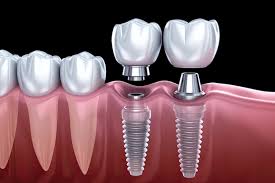
Losing a tooth can impact everything from your smile to your ability to chew comfortably. When considering your options for restoration, dental implants have become the gold standard for a permanent, natural-feeling solution. However, the decision to proceed is significant. Being fully informed is the key to a successful outcome and a smooth experience.
Here are six essential things you should understand before moving forward with a tooth replacement with implants.
1. Dental Implants Are a Surgical Procedure
It’s important to recognize that placing a dental implant is a minor surgical procedure. A titanium post is surgically inserted into your jawbone to serve as an artificial tooth root. This requires careful planning, precise execution, and a commitment to proper healing.
- What this means for you: You will receive local anesthesia (and possibly sedation) to ensure comfort. Following surgery, you can expect a recovery period with some swelling and mild discomfort, manageable with medication. Your dentist will provide detailed aftercare instructions to promote proper healing and prevent infection.
2. Your Overall Health and Jawbone Are Crucial Factors
Not everyone is an immediate candidate for implants. Successful implantation depends heavily on two key factors:
- Adequate Jawbone Density: The implant needs a strong foundation. If tooth loss occurred some time ago, the jawbone in that area may have deteriorated—a process called resorption. If bone density is insufficient, a bone graft may be necessary to rebuild the site before an implant can be placed.
- Good General and Oral Health: Well-controlled health conditions (like diabetes) and excellent oral hygiene are vital. Active gum disease (periodontitis) must be treated first, as it can threaten the stability of the new implant.
3. The Process Takes Time—And That’s a Good Thing
Unlike a dental bridge or denture, an implant restoration isn’t completed in one or two visits. The process is staged to ensure long-term success.
- The Typical Timeline: After the implant post is placed, a critical healing period of 3 to 6 months follows. During this time, the jawbone biologically fuses with the titanium post in a process called osseointegration. This creates an incredibly strong and stable foundation. Only after this integration is complete is the permanent crown attached.
4. Dental Implants Are an Investment in Your Long-Term Health
While the upfront cost of an implant is higher than other options like a dental bridge, it’s essential to view it as a long-term investment.
- Cost vs. Value: A traditional bridge requires grinding down adjacent healthy teeth and may need replacement every 10-15 years. A well-cared-for implant can last a lifetime. It also preserves your jawbone, maintains your facial structure, and doesn’t compromise neighboring teeth. When considering decades of use and health benefits, implants often provide superior value.
5. The Care Commitment is Lifelong, But Straightforward
Dental implants can’t get cavities, but they are not maintenance-free. The health of the surrounding gums is paramount to prevent peri-implantitis, a gum disease that can affect implants.
- Your Role: Caring for an implant is similar to caring for a natural tooth but requires meticulous attention. This means brushing twice daily, flossing (often with specific tools like implant floss), and attending regular professional cleanings and check-ups. This consistent care is your best guarantee for the implant’s longevity.
6. Choosing the Right Provider Makes All the Difference
The success of your implant hinges on precise planning and skilled execution. Experience matters.
- Seek a Skilled Implant Team: Look for a dentist or specialist (like a periodontist or oral surgeon) with extensive training and a proven track record in implant dentistry. Don’t hesitate to ask about their experience, view before-and-after photos, and understand their detailed plan for your specific case. A trustworthy provider will thoroughly explain each step, all your options, and the associated costs before you begin.
Conclusion: Empower Yourself with Knowledge
Replacing a missing tooth with an implant is one of the most impactful decisions you can make for your oral health, function, and confidence. By understanding these six key points—the surgical nature, health requirements, realistic timeline, long-term value, care commitment, and the importance of your provider—you are empowered to have informed discussions and make the best choice for your smile’s future.
