

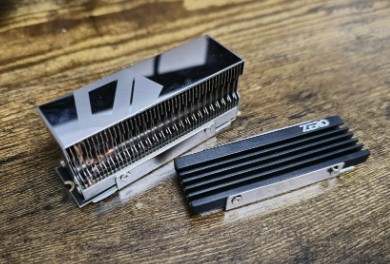
If you’ve ever wondered, do m.2 need heatsink to maintain top performance, you’re not alone. As M.2 SSDs become more powerful and compact, managing heat has become a growing concern for PC builders and gamers alike. This article explains how to keep your SSD cool and running smoothly. It covers when a heatsink is needed, how heat can affect speed and performance, and simple tips to make your SSD last longer and stay reliable.
Understanding M.2 SSDs and Heat Generation
M.2 SSDs are very fast drives that read and write data quickly. When used heavily, like for gaming or large file transfers, they generate a lot of heat. The PS5’s limited airflow can make it even hotter, which may cause problems.
- Thermal throttling – the SSD automatically slows down to prevent overheating.
- Reduced performance – longer load times and slower data transfers.
- Shorter lifespan – consistent high temperatures can wear out the SSD over time.
That’s why proper cooling is essential. A heatsink helps absorb and disperse heat away from the SSD, keeping it cool and ensuring it runs smoothly for longer. If you’re installing a high-speed SSD in your PS5, using one with a built-in or compatible heatsink is highly recommended.
When a Heatsink Is Necessary
A heatsink is essential when your SSD doesn’t already come with one, especially for the PS5. The console’s compact design limits airflow, which can cause high temperatures during gaming. Overheating may slow down performance or shorten the SSD’s lifespan.
Here’s when you need a heatsink:
- Your SSD doesn’t include one: Choose the SSD version with a heatsink for easier installation.
- You play for long sessions: Extended gaming builds heat that a heatsink helps dissipate.
- You use high-speed SSDs: Faster drives generate more heat, making cooling even more important.
If your SSD comes with a low-profile heatsink made for the PS5, you don’t need anything extra. If it doesn’t, you can get a third-party heatsink, but make sure it fits the PS5’s M.2 slot.
When You Might Not Need a Heatsink
You might not need a heatsink if your SSD doesn’t get very hot during normal use or if your gaming habits are light. For example:
- Casual Gaming: If you mostly play smaller or less demanding games that don’t require constant high-speed data access, your SSD will generate less heat.
- Good Ventilation: If your PS5 is placed in an open area with plenty of airflow and not enclosed in a cabinet, it helps keep temperatures lower.
- Built-in Cooling: Some SSDs have efficient thermal designs or use controllers that naturally stay cooler.
- Short Play Sessions: If you don’t use your PS5 for long gaming marathons or frequent large file transfers, heat buildup will be minimal.
Using an SSD without a heatsink is possible, but adding one provides extra heat protection and maintains steady performance.
Types of M.2 Heatsinks
Here’s an easy guide to help you understand the different kinds of M.2 heatsinks and which one might be best for your PS5 or PC.
-
Passive Aluminum Heatsinks
These heatsinks are made of solid aluminum and cool your SSD by naturally spreading heat. They don’t have any fans or moving parts.
Pros:
- Slim design fits easily inside tight spaces.
- Completely silent, since there are no fans.
Cons:
- Not as effective for extremely fast or high-end SSDs.
-
Active Cooling Heatsinks
These include small built-in fans to blow air over your SSD, keeping temperatures lower during heavy gaming or data transfers.
Pros:
- Best cooling for high-speed SSDs under heavy use.
- Some include RGB lighting or temperature displays.
Cons:
- Bulkier; may not fit inside a PS5.
- Fans add a little noise and use more power.
-
Hybrid Copper-Aluminum Heatsinks
These use copper combined with aluminum fins.
Pros:
- Excellent balance of cooling power and durability.
- Works well for both single- and double-sided SSDs.
Cons:
- Slightly larger; check your case or PS5 clearance before installing.
How to Choose the Right Heatsink
- Check Fit: Make sure it fits your SSD and has enough space in your PS5 or PC.
- Consider Cooling Needs: PCIe 4.0 and 5.0 SSDs run hotter and benefit from stronger cooling.
- Noise Level: If you want a silent setup, choose a passive heatsink.
- Looks & Features: Some heatsinks add RGB lighting or displays for extra flair.
How Temperature Affects SSD Performance and Lifespan
Temperature greatly affects how well your SSD performs and how long it lasts. SSDs work best at a moderate, cool temperature.
-
Performance Drops When It Gets Too Hot
When an SSD gets too hot, it automatically slows down to protect itself from damage. This process is called thermal throttling.
- Games and apps may take longer to load.
- File transfers can become slower.
Example:
If your SSD temperature reaches around 70–80°C, it will lower its speed until it cools down, which can cause lag or pauses during use.
-
High Heat Can Shorten SSD Lifespan
Running your SSD at high temperatures for long periods can wear it out faster.
- Heat damages the memory cells that store your data.
- It can also harm the SSD’s controller chip, which manages reading and writing data.
Keeping your SSD cool helps it last longer and maintain fast, stable performance.
-
Ideal Operating Temperatures
Most SSDs are safe to use between 0°C and 70°C.
- Best range: 30–60°C during normal use.
If your SSD often goes above 70°C, improve cooling or add a heatsink.
-
Low Temperatures Can Also Affect Performance
Cold isn’t usually a big problem, but extremely low temperatures can cause slower performance, especially right after startup. This usually fixes itself once the SSD warms up to room temperature.
How to Keep SSD Temperatures Stable
- Use a heatsink to spread heat evenly.
- Ensure your PS5 or PC has good airflow.
- Avoid placing it in tight or closed spaces.
- Clean vents and fans regularly to remove dust.
- Check SSD temperature occasionally using monitoring software.
Tips for Keeping Your M.2 SSD Cool
Keeping your M.2 SSD cool helps it run faster, last longer, and avoid slowing down from heat. Here are some easy ways to manage temperature:
- Use a Heatsink: Use a heatsink to keep your SSD cool. Ensure it’s properly installed with thermal pads touching the drive, and for PS5 choose a low-profile heatsink that fits the slot.
- Keep Good Airflow: Keep your PS5 or PC in a well-ventilated area so air can flow freely. Avoid placing it in closed spaces or corners. Also, clean dust from vents and fans regularly to prevent overheating.
- Stay Away from Heat Sources: Keep your console or PC away from walls, heaters, direct sunlight, and other heat-producing devices like routers or amplifiers to prevent overheating.
- Monitor Your SSD Temperature: Monitor your SSD’s temperature using software. Ideally it should stay between 30°C and 60°C. If it often goes above 70°C, you need better cooling.
- Leave Some Free Space: Leave some free space on your SSD, as a nearly full drive has to work harder and produces more heat. Keeping about 10–20% of the storage free helps maintain performance and keeps the temperature lower.
- Avoid Long, Heavy Transfers: Avoid transferring large files or games continuously, as this can make your SSD hot. Take breaks between big transfers and let the drive cool down if it feels warm.
