

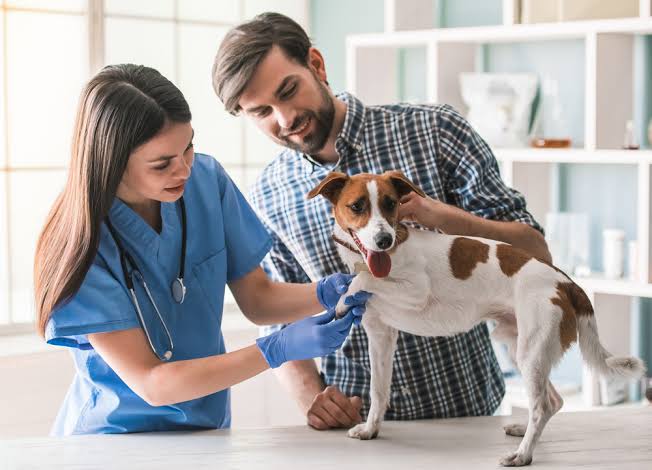
You know your pet better than anyone. You notice the slower jump onto the couch, the skipped breakfast, the extra nap, the burst of energy that feels like a return to normal until it isn’t. Caring for an animal means living with small questions that can turn heavy fast, especially when your pet cannot tell you what hurts. That is where a general veterinarian matters most, and an Oakville animal hospital can provide that ongoing support. Good care is not just for emergencies. It starts early, builds over time, and changes as your pet grows from a playful young animal into an adult and then a senior companion.
How veterinarians provide comprehensive care across a pet’s life comes down to steady, informed support at every stage. Preventive visits, vaccines, dental checks, nutrition guidance, behavior advice, diagnostic testing, and treatment plans all work together. The goal is simple. Catch problems early, manage chronic conditions well, and help your pet stay comfortable and active for as long as possible.
Veterinary care changes as your pet grows and ages
A puppy or kitten needs a very different kind of care than a middle aged dog or an older cat. In the first year, a general veterinarian focuses on vaccines, parasite prevention, spay or neuter guidance, growth, and early behavior patterns. This stage shapes a lot more than people expect. A pet that gets regular exams early often handles future visits with less fear, and that makes lifelong care easier.
Adult pets often look healthy even when something is starting to shift. Weight gain creeps in. Dental disease develops quietly. Skin issues, ear infections, allergies, and stomach trouble can become repeat problems if no one connects the pattern. Routine exams help your veterinarian compare today’s health with last year’s baseline, which is often how subtle illness gets caught before it becomes expensive or painful.
Senior pets need closer watching because aging changes the picture again. Arthritis, kidney disease, heart disease, thyroid issues, diabetes, and cognitive decline can begin gradually. You may think your pet is “just slowing down,” when the real issue is pain, poor vision, or an illness that responds well to treatment. This is why lifelong pet health care is so valuable. It treats aging as a medical stage, not just a fact to accept.
Preventive veterinary services reduce stress, pain, and surprise costs
Many people wait until something is clearly wrong because they are trying to be practical. Vet visits cost money. Pets hate the car. Life gets busy. Then a small issue turns into an urgent one. A mild dental problem becomes a painful infection. A minor limp becomes advanced joint damage. A slow change in thirst turns out to be diabetes that has been building for months.
Preventive care lowers the odds of those hard turns. Wellness exams give your veterinarian a chance to listen to the heart and lungs, check the eyes and ears, feel the abdomen, assess mobility, monitor weight, and ask the questions that owners often do not know to ask. Lab work can reveal trouble long before a pet acts sick. Dental care can prevent chronic pain that many animals hide well.
The American Veterinary Medical Association offers useful guidance on animal health and welfare, including the daily factors that shape long term wellbeing. Pet owners can also find practical support through the AVMA’s pet care resources, which cover routine care, prevention, and common health concerns.
General veterinarian visits support the whole pet, not just one symptom
When your pet is vomiting, limping, scratching, or acting withdrawn, it is easy to focus on the one thing you can see. A general veterinarian looks at the full picture. That matters because symptoms overlap. A pet that seems anxious may be in pain. A pet with accidents in the house may have a urinary problem, not a training issue. A pet that stops grooming may have dental pain, arthritis, or illness.
Veterinary care throughout a pet’s life also includes guidance that reaches beyond medicine. Nutrition advice helps prevent obesity and supports pets with allergies, kidney disease, or digestive issues. Behavior counseling can improve quality of life at home and lower the chance that stress based habits become permanent. Parasite control protects not only pets but the people living with them.
This kind of care is especially important when a pet has more than one issue at once, which is common in older animals. A senior dog with arthritis may also need weight management and bloodwork monitoring. A cat with kidney disease may need diet changes, hydration support, and frequent rechecks. One appointment can shape a plan that makes daily life easier for both of you.
Routine care and delayed care lead to very different outcomes
| CARE APPROACH | WHAT IT OFTEN INCLUDES | LIKELY RESULT |
| Routine veterinary care | Wellness exams, vaccines, parasite prevention, dental checks, baseline lab work, nutrition guidance | Earlier detection, steadier health, fewer crises, better long term comfort |
| Symptom only visits | Care only when a pet seems sick or injured | Missed early warning signs, more urgent treatment, higher stress and cost |
| Senior focused monitoring | More frequent exams, mobility assessment, blood and urine testing, chronic disease management | Better pain control, more good days, slower progression of some conditions |
This is not about perfection. It is about pattern recognition and timing. Most serious conditions do not appear all at once. They build in small, easy to miss ways. A veterinarian who sees your pet regularly has a much better chance of spotting those changes early.
Small steps make lifelong pet care more manageable
Track changes at home. Write down shifts in appetite, thirst, weight, movement, bathroom habits, sleep, and behavior. Video can help too. If your pet limps only after rest or coughs only at night, that detail matters.
Keep routine visits on the calendar. Young pets need structured early care. Healthy adults still need regular exams. Seniors often need more frequent monitoring. Waiting for obvious symptoms usually means the problem is already advanced.
Ask for a stage based care plan. Your general veterinarian can map out what your pet needs now and what to expect next. That may include vaccines, dental care, screening tests, nutrition changes, or pain support. A clear plan makes costs and decisions easier to handle.
Steady veterinary care gives your pet the best chance at a comfortable life
You do not need to catch everything on your own. You just need support from a veterinarian who sees the full arc of your pet’s life and helps you respond before small concerns become harder ones. The best care is rarely dramatic. It is steady, observant, and built around your pet’s age, health, and daily life. If your pet is due for an exam, schedule a visit with a general veterinarian and start with what you have noticed lately.
