

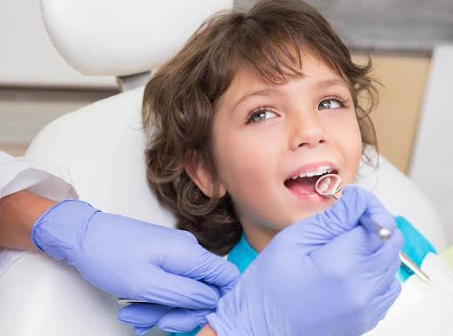
You can usually tell when a child is trying to be brave about a new dental appliance, which is why orthodontic care for kids in Peekskill can make such a difference. They nod at the office, then get quiet in the car. Later, dinner takes too long, speech sounds a little different, and bedtime turns into a string of small complaints that all mean the same thing: This feels strange. It hurts a little. I do not know how to deal with it yet.
That adjustment period is real, whether your child has expanders, spacers, retainers, partial braces, or another oral device. How Pediatric Dentists Help Kids Adjust To New Appliances comes down to more than checking fit. A pediatric dentist and orthodontist helps children understand what is happening, eases soreness, watches for problems, and gives parents a plan that works at home. When support is steady from the start, kids usually adapt faster and with less fear.
Pediatric dentists reduce fear and make new dental appliances easier to manage
Children do not react to appliances the way adults do. A grownup may focus on the end result. A child focuses on what feels different right now. Food gets stuck. Talking feels odd. Saliva increases. The tongue keeps bumping into something new. Even a well-fitted appliance can feel overwhelming for the first several days.
This is where a children’s dentist for orthodontic appliances makes a difference. Pediatric dentists are trained to read a child’s behavior as much as their bite. They look at age, sensory tolerance, habits, and daily routine. A child who does fine with cleanings may still struggle with a retainer. A child with anxiety may need shorter visits, simpler instructions, and more time to practice before wearing an appliance all day.
The emotional side matters because discomfort can turn into resistance fast. If an expander feels tight and your child thinks that means something is wrong, they may refuse meals or stop cooperating with cleaning. If a spacer comes loose and no one catches it, the delay can affect treatment timing. Early follow-up keeps small issues from becoming bigger ones.
Regular monitoring also fits with the standard of ongoing preventive care. The American Academy of Pediatric Dentistry outlines the value of routine exams, counseling, and age-based guidance in its recommendations for periodic oral health visits and anticipatory guidance. That kind of guidance is especially useful when a child is learning to live with a new appliance.
Support from a pediatric dentist and orthodontist helps with soreness, speech, and daily routines
The first week is usually the hardest. Mild soreness, pressure, extra saliva, and temporary speech changes are common with many appliances. According to the clinical overview in StatPearls on pediatric oral health, children need ongoing evaluation and home care support because oral development and treatment needs change as they grow. That applies directly to appliance adjustment.
Parents often run into the same problems. Breakfast becomes a battle because crunchy foods hurt. Brushing takes longer because the appliance traps food. Your child says they sound funny and stops talking in class. None of that means treatment is failing. It means your child is adapting, and they need clear steps instead of pressure.
A pediatric dentist and orthodontist usually helps by breaking the process into parts your child can handle. Soft foods for a few days. Wax where rubbing happens. A rinse routine if age-appropriate. Practice reading out loud to help the tongue adjust. Watch for red flags such as sores that worsen, broken parts, refusal to eat, or pain that does not ease. That mix of reassurance and close observation is what makes helping kids adjust to dental appliances more successful.
Professional support is safer than trying to manage appliance problems alone
Parents are resourceful, and that is a good thing until online advice starts replacing clinical guidance. A loose appliance, a poking wire, or a child who stops wearing a retainer can seem like simple problems. They are not always simple. Home fixes can create mouth sores, shift teeth in the wrong way, or delay treatment long enough to require more appointments later.
| Common issue | Trying to manage it at home | Getting help from a pediatric dentist and orthodontist |
|---|---|---|
| General soreness in the first few days | May lead to guesswork about food, cleaning, and pain relief | Clear advice on what is normal, what foods help, and when soreness needs a check |
| Speech changes | Child may panic or avoid talking | Reassurance, timeline expectations, and simple exercises such as reading aloud |
| Rubbing or mouth sores | Risk of using the wrong product or missing a poor fit | Fit check, safe comfort measures, and adjustment if needed |
| Loose or broken appliance | Can delay treatment or create choking and irritation risks | Prompt repair or replacement and guidance on what to do until the visit |
| Refusal to wear removable appliance | Power struggles at home and inconsistent use | Age-appropriate coaching, habit strategies, and follow-up to keep treatment on track |
The goal is not perfection. It is steady use, safe care, and enough support that your child does not start associating treatment with fear. That is the heart of pediatric orthodontic care.
Small steps at home make new appliances easier for kids
Keep the first few days simple. Choose soft foods, cut bites smaller, and avoid sticky or hard items if your child’s appliance comes with those limits. Build in extra time for brushing and rinsing. If your child is frustrated, shorten the conversation and focus on one task at a time.
Watch patterns, not single complaints. A child saying “it feels weird” is expected. A child who cannot sleep, refuses most food, or has a sore spot that looks worse each day needs attention. Take a quick photo if something looks off. That makes it easier to describe changes to the dental office.
Use follow-up visits to prevent setbacks. Do not wait until your child is miserable. If speech is not improving, the appliance keeps rubbing, or wear time is turning into a daily fight, schedule a check. Early adjustments are usually easier than fixing a problem after your child has stopped cooperating.
Children adjust better when support starts early
Most kids do settle in. They eat more normally, speak more clearly, and stop noticing the appliance every minute of the day. That progress comes faster when parents are supported and children feel understood instead of pushed. A pediatric dentist and orthodontist helps translate a stressful change into a manageable routine, and that can shape how your child feels about dental care long after this appliance is gone.
If your child is struggling with a new appliance, reach out to a pediatric dentist and orthodontist for guidance and a follow-up plan.
