

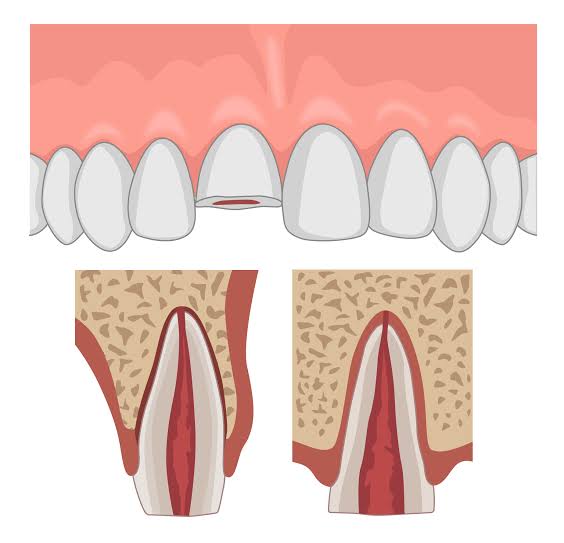
You can feel fine after a hit to the mouth, then days or weeks later notice a tooth looks darker, feels odd when you bite, or suddenly reacts to cold. That lag is what makes dental trauma unsettling. A tooth can absorb a blow, stay in place, and still develop problems under the surface. If you or your child had a fall, sports injury, car accident, or any hard hit to the face, follow up matters even when the tooth seems normal at first, especially with a Clearwater dentist offering cosmetic and restorative care.
How dentists monitor teeth after trauma comes down to one thing. They watch for slow changes in the nerve, root, surrounding bone, and bite. Some effects show up right away. Others do not appear until the tooth tries to heal, or fails to. A general dentist tracks that timeline with exams, X rays, sensitivity testing, and repeat visits so small problems do not turn into pain, infection, or tooth loss.
Dental trauma can stay quiet before it becomes obvious
A tooth that took a hit may have a bruise to the ligament, a crack that is too fine to see, or damage to the pulp inside the tooth. You might only notice tenderness for a day or two and assume it is over. Then the tooth starts feeling high when you chew, the gum swells, or the color shifts to gray or yellow. That does not mean anyone missed something obvious. It means trauma often unfolds over time.
This is why dentists do not rely on a single visit. They compare how the tooth responds at different points in healing. They check mobility, tap sensitivity, bite changes, gum health, and the way the tooth responds to temperature or electric pulp tests. They also look for root resorption, pulp canal changes, and subtle fractures on imaging. Guidance from the American Academy of Pediatric Dentistry on assessing acute traumatic injuries supports this kind of structured follow up after dental impact.
You might be thinking the tooth is not loose, so why keep checking it. A tooth can be stable and still have internal damage. That is one reason monitoring teeth after a blow is different from treating a simple cavity. The goal is not just to fix what hurts today. It is to catch what may change next month.
Dentists use repeat exams and imaging to track healing
At the first visit, a general dentist usually documents the injury, symptoms, tooth color, mobility, gum condition, and bite. X rays create a baseline. If there is a crack, displacement, or root injury, that first image helps later comparisons. The dentist may also test the tooth’s response to cold or use other pulp tests, knowing that early results can be unreliable right after trauma.
Follow up visits are where the pattern becomes clear. A healthy tooth may stay comfortable, test more normally over time, and show no change around the root. A struggling tooth may lose responsiveness, darken, develop tenderness, or show changes at the root tip. According to the NCBI review on tooth luxation injuries, traumatic injuries can affect the pulp, periodontal ligament, and surrounding bone in ways that require staged evaluation rather than one time treatment.
Fractures add another layer. Some break lines are visible. Others hide below the gum or inside the crown. Management depends on where the fracture is, whether the pulp is exposed, and how stable the tooth remains. The IADT fracture guidelines outline why fracture type and follow up schedule matter so much after impact.
What dentists look for after a tooth concussion or impact
Dental concussion means the tooth was injured but not displaced or loosened. It often hurts to bite or tap, and the ligament around the root is inflamed. That may settle with time, a soft diet, and bite adjustment if needed. The concern is that the pulp can still react badly later.
A history of impact also raises concern for pulp necrosis, root resorption, calcification inside the canal, and hidden cracks. In children and teens, the stage of root development changes both the risk and the treatment plan. In adults, prior fillings, crowns, and bite stress can make a previously injured tooth less forgiving.
| Finding | What it may mean | How a dentist usually monitors it |
| Mild soreness when biting | Bruised ligament or tooth concussion | Exam, bite check, repeat symptom review |
| Tooth turns gray | Pulp injury or loss of vitality | Color photos, pulp testing, X rays |
| No response to cold right after injury | Temporary nerve shock or deeper pulp damage | Retesting over time before drawing conclusions |
| New swelling or pimple on gum | Infection from a nonvital tooth | Urgent exam and imaging, possible root canal referral |
| Fine crack or chipped edge | Enamel fracture or deeper structural damage | Magnified exam, photos, X rays, bite review |
Daily habits can help or complicate recovery
Healing is not only about what happens in the chair. Chewing ice, clenching, contact sports, and skipping follow up visits can turn a manageable injury into a bigger one. If the tooth feels different, avoid testing it with hard foods. If a child says a tooth feels funny, that matters, even if they cannot explain it well.
Dentist follow up for injured teeth also helps prevent expensive surprises. A small crack can become a large fracture. A tooth that could have been watched may need root canal treatment if infection sets in unnoticed. The earlier a dentist sees a change, the more options you usually have.
Three steps you can take right away
- Write down the injury details. Note when it happened, how the impact occurred, and what symptoms showed up after. Pain when biting, color changes, swelling, or numbness all help your dentist judge risk.
- Schedule follow up even if the tooth seems fine. A normal looking tooth can still have internal damage. A general dentist can set the right timeline for repeat checks and imaging.
- Protect the tooth while it heals. Eat softer foods for a few days, avoid chewing on the injured side if it hurts, and use a mouthguard for sports once your dentist says it is safe.
A tooth with a history of impact does not always need major treatment, but it does need attention. Careful monitoring gives you the best chance of keeping the tooth healthy and catching trouble before it grows. If you or your child has had a dental injury, schedule an evaluation with a general dentist and keep the follow up plan. That simple step can make the difference between uneventful healing and a problem that shows up long after the accident feels over.
