

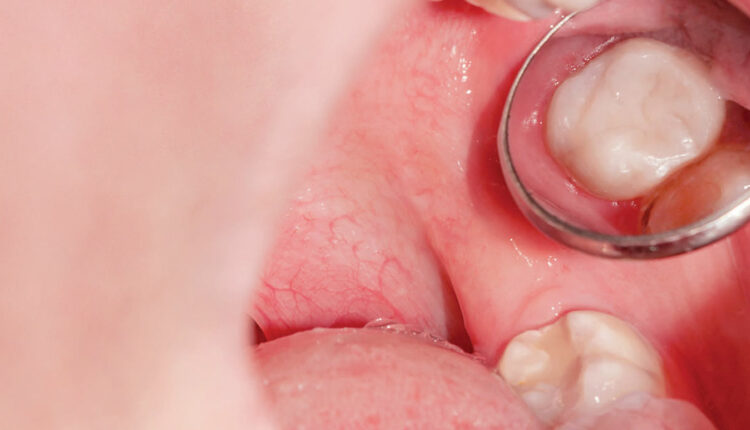
When you need a filling, crown, or bridge, you want it to last. You also want it to feel normal when you talk, eat, and smile. The material you choose can protect your tooth, or it can fail early and cause more pain and cost. Every tooth, bite, and habit is different. So one “best” material does not exist. Instead, you and your dentist in Wichita Falls should match the material to your mouth, your budget, and your daily life. This blog explains how common options like composite, porcelain, and metal really perform. It shows how each one handles pressure, stains, and time. It also points out when a cheaper choice can cost more later. By the end, you will know what to ask, what to avoid, and how to choose a restoration that stays strong and steady for many years.
What Makes A Restoration Last
Three things decide how long a filling or crown will last.
- The material
- The way it is placed
- Your daily care
First, the material must match the tooth and the bite. Back teeth need strong support. Front teeth need a natural look. Second, clean tooth prep and a dry work space help the material stick. Third, your brushing, flossing, and food choices protect the work.
The National Institute of Dental and Craniofacial Research explains that tooth decay is a disease that never fully stops. It comes back if bacteria stay on the teeth. Strong materials help, but they still need clean teeth around them.
Main Types Of Filling Materials
Your dentist may offer three common filling choices. Each one has trade-offs in strength, look, and cost.
| Material | Where Used Most | Average Life Span | Strength | Look | Typical Cost Range*
|
|---|---|---|---|---|---|
| Composite (tooth colored) | Front and small back fillings | 5 to 10 years | Moderate | Matches tooth color | Higher than silver |
| Amalgam (silver) | Back teeth | 10 to 15 years | High | Dark metal look | Lower |
| Glass ionomer | Root surfaces, baby teeth | 3 to 5 years | Low | Tooth colored but flat | Similar to or lower than composite |
*Costs change by clinic and insurance. The American Dental Association gives general cost trends at MouthHealthy.
When Composite Makes Sense
Composite is a tooth colored resin. It bonds to the tooth. It works well when you want a natural look.
Choose composite when you need:
- Front tooth repair
- Small to medium cavities
- Closing a small gap or fixing a chip
Composite can stain from coffee, tea, and tobacco. It can also wear faster on big back tooth fillings. If you grind your teeth, you may chip it. You can still choose it, yet you need to protect it with a night guard and regular checks.
When Amalgam Still Helps
Amalgam is a silver colored blend of metals. It has a long record of safe use. It is strong and works well for large back tooth fillings.
Choose amalgam when you need:
- Deep cavities in molars
- A budget friendly option
- A filling that can handle heavy biting
Some people dislike the dark look. Others worry about mercury. Current research from major health groups, including the U.S. Food and Drug Administration, states that amalgam is safe for most adults and children over six. If you are pregnant, nursing, or have kidney disease, you should talk through other options.
Crowns: Porcelain, Metal, or Both
Crowns cover and protect weak teeth. They also restore shape after large decay or root canal treatment. The material you choose changes how the crown feels, looks, and lasts.
- All porcelain or ceramic. These match the tooth color. They work well on front teeth and some premolars. They can chip under heavy force.
- Porcelain fused to metal. These have a metal inside with porcelain outside. They balance strength and look. They may show a dark line near the gum over time.
- All metal. Gold and other alloys are strong and long-lasting. They are useful for molars that do most of the chewing. They do not match the tooth color.
Your dentist will look at three things. These are the tooth location, how much tooth is left, and how hard you bite. Then you can choose what matters most to you. That might be look, cost, or strength.
Bridges And Implants
When a tooth is missing, you may face a bridge or an implant crown. The visible part can use the same types of materials as regular crowns. The support under it is different.
- Traditional bridge. Uses crowns on teeth next to the gap. Often porcelain is fused to metal or all porcelain.
- Implant crown. Attaches to a titanium post in the bone. Often, all porcelain or porcelain fused to metal.
For back teeth, many people choose porcelain fused to metal or stronger ceramics. For front teeth, all porcelain may give the best match.
How Your Habits Change Material Choice
Your daily habits can shorten or extend the life of any restoration. Three habits matter most.
- Grinding or clenching teeth
- Frequent snacking or sugary drinks
- Irregular brushing and flossing
If you grind, strong materials and a night guard protect your teeth. If you snack often, decay can start around any filling edge. That can lead to new cavities and more treatment. If you skip brushing, bacteria can creep under even the best crown.
Questions To Ask Before You Decide
Before you agree to a material, ask your dentist three direct questions.
- How long does this choice usually last in this tooth
- What are the main risks for chipping, wear, or decay around it
- Is there a stronger or simpler option that costs more now but less over time
Then tell your dentist what you care about most. That may be look, comfort, fewer visits, or lowest cost today. Honest talk helps match the material to your real life.
Keeping Your Restoration Strong
Once the work is done, your actions protect it. Three steps help every restoration last longer.
- Brush with fluoride toothpaste twice a day
- Floss once a day around every tooth and crown
- See your dentist every six months for checks and cleanings
During visits, your dentist will check for cracks, loose edges, or early decay. Small fixes are easier than full replacements. With the right material and steady care, your restorations can stay strong for many years and keep your mouth steady and pain-free.
