

Where Mountains Whisper Secrets
Deep in the folds of the Himalaya, there are places where time walks slowly. Places where wind hums softly through the prayer flags, and old trails tell stories of monks, traders, and wanderers. These are the hidden kingdoms. Manaslu, Kanchenjunga, and far beyond them, the sacred land of Mount Kailash. They are not loud or famous like Everest. But they got their own magic. Strong and silent.
The world rushed. But these mountains stay still. Snow shines. Rivers talk. And the soul listens.
Manaslu Circuit Trek—A Trail Less Crowded
The Manaslu Circuit Trek is wild. It’s far from the crowd. Not too easy, not too hard. Just pure mountain. The trail goes round Mount Manaslu, the eighth highest mountain in the world. High and quiet. You walk through small Gurung and Tibetan villages. Old houses made of stone. Monasteries hidden between cliffs. Kids wave, yaks pass slowly, and every corner has prayer wheels spinning in the wind.
The trek starts from Arughat or Soti Khola. It goes through Budhi Gandaki Valley, so deep, so narrow. You walk days beside the river. The forest is thick. Waterfalls crash down like silver ropes. Then slowly, the air gets thin. Trees fade. Snow peaks come closer.
You feel something there. Something raw. Something alive.
Climbing to Larke La Pass
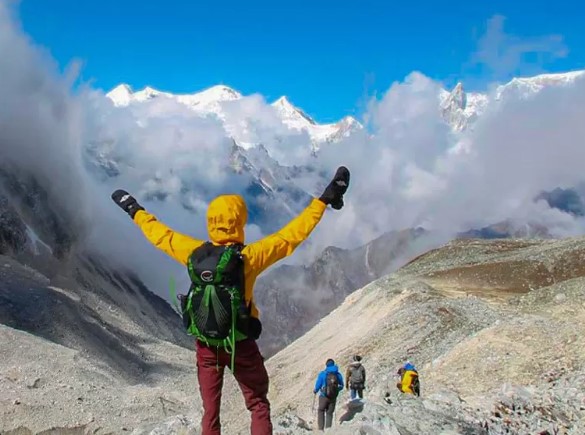
Larke La Pass, 5,160 meters. That’s the high point of the Manaslu Circuit. It’s a long climb. The wind blows hard. Steps slow. But when you reach the top, oh… the view hits you strongly. Annapurna, Himlung, and Cheo Himal are all around. White peaks like sleeping gods. You forget tired. You just stand there. Silent. Small. Alive.
The pass feels sacred. There are prayer flags everywhere. Colors flying in cold air. You tie your own flag, maybe, and wish for something for your life. Then go down to Bimthang. The land turns soft again. Meadows, pine forest, sunlight like gold.
Manaslu Circuit Trek, not just walking. It’s a journey through many worlds.
Life and People Around Manaslu
People here live simply. They farm, herd yaks, spin wool, and pray. Many houses have small stupas near them. Monks chant in the evening. Kids laugh and chase chickens. You see women carrying heavy baskets with smiles. Old men sit and talk.
The culture mix of Tibetan and Nepalese. They follow Buddhism mostly. You see many walls, prayer stones, and small shrines along the path. Life moves slowly, peacefully.
You stay in teahouses. They are not fancy but warm. Fire burns inside. Food is simple—dal bhat, noodles, and soup. After a long day, it tasted heavenly.
Why People Love Manaslu Circuit Trek
Because it’s quiet. Not too touristy. Still pure. Still natural. The mountains are not disturbed. The villages are still real. You feel like you are part of the land, not a visitor. It’s an adventure with soul.
Many trekkers say Manaslu changed them. Maybe not outside, but inside. It teaches patience. It shows beauty in simple things—sunrise on snow, kids smiling, wind touching your face.
That’s the gift of Manaslu.
Kanchenjunga Circuit Trek—The Wild East of Nepal
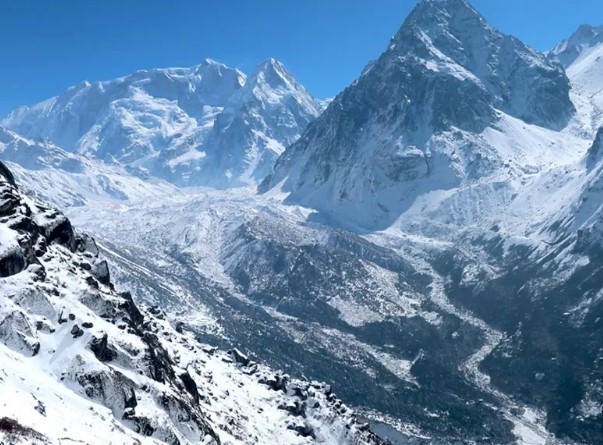
Now move east. Far east. To the border near India and Sikkim. There stands Kanchenjunga. The third highest mountain on earth. Huge. Mysterious. Locals call it “Five Treasures of the Great Snow.” And the Kanchenjunga circuit trek takes you all around its base.
This trek is not for rushed people. It’s long. Remote. Wild. Sometimes rough. But oh, it’s worth every step. You walk through a rhododendron forest that glows red in spring. Through high pastures where yak bells echo. Through old monasteries covered with mist.
The trail passes through Taplejung, Ghunsa, Pangpema, and back. Each day brings a new view. Sometimes clouds hide the peaks, then suddenly they open. And Kanchenjunga appears—tall, white, shining like a dream.
The Spirit of Kanchenjunga
Here, mountains are not just rocks. They are holy. Locals believe Kanchenjunga protects them. They don’t climb to the top, out of respect. You feel that sacred energy in the air. When you see the peak at dawn, pink light on snow, it’s not just beauty. It’s a blessing.
Villages here are still untouched. People are friendly but shy. They live in stone houses, wear wool clothes, and talk in soft voices. They smile when you greet them with “Tashi Delek.”
This is the land of silence and prayer.
Trails of Snow and Silence
The Kanchenjunga trek has everything—deep forest, wild rivers, glaciers, suspension bridges, and mountain passes. You walk sometimes for hours without seeing anyone. Just the sound of birds and your own breath.
At higher altitudes, everything looks still. Ice shines like glass. Wind whispers through rocks. The night is cold, and the stars are so bright, like someone throwing diamonds in the sky. You feel lost, but in a good way.
You realize, maybe being lost here means finding something else.
Comparing Manaslu and Kanchenjunga
Both treks had the same heart—wild, remote, real. But they are different too. Manaslu has a mix of cultural villages and balanced trails. Kanchenjunga is wilder, more rugged, and more lonely.
In Manaslu you can see change—from low green hills to a high snowy world. Kanchenjunga feels timeless, like you are walking in an old myth.
If you want quiet strength, go to Manaslu. If you want raw nature and deep wilderness, go to Kanchenjunga.
But if you can, do both. They do not compete. They complete each other.
Mount Kailash Tour – The Holy Mountain Beyond Borders
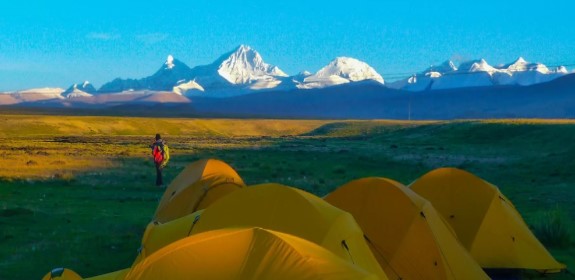 Now we go farther west. Across high plateaus of Tibet. There stands Mount Kailash. Sacred to Hindus, Buddhists, Jains, and Bon. It’s not Nepal, but many travelers from Nepal start their journey there.
Mount Kailash tour has not been climbed. It’s worshiped. Its shape is perfect, like a pyramid carved by gods. Snow is always on top. Four great rivers were born around it—Indus, Sutlej, Brahmaputra, and Karnali. It’s the center of the world, people say.
The Mount Kailash Tour usually includes the “Kora”—a 3-day walk around the holy mountain. 52 kilometers of pure devotion.
The Kailash Kora—Walk of Faith
You start from Darchen. Then walk through valleys full of prayer flags. Yaks carry loads, pilgrims chant, and prayer wheels spin. The air is thin, and the sun is bright.
You pass Tarboche, then climb to Dolma La Pass—5,630meters. It’s the hardest part. The wind cuts your face. Breathing heavily. But you keep going. Because it’s not just walking. It’s spiritual.
At the top, you see thousands of prayer flags fluttering. People cry, some pray, and some just sit quietly. Then you descend to Zuthulphuk. The next day, you finish the Kora.
And maybe, you feel different. Lighter. Cleaner inside.
The Sacred Connection
Manaslu, Kanchenjunga, and Kailash are all different but one in spirit. All about mountains and faith, challenge and peace, beauty and silence. They show what the Himalaya really means. Not only height. Not only trekking. But heart.
Each step on these trails takes you closer to something pure. The snow, the wind, and the prayers all mix into one rhythm. You walk outside, but the journey is also inside.
How the Mountains Change You
You start these treks thinking you will conquer mountains. But no. They conquer your ego. They teach humility. You realize you are small but also part of something huge.
In Manaslu, you learn patience. In Kanchenjunga, you learn strength. In Kailash, you learn to surrender.
That’s why people go there again and again. Not for adventure only. But to feel alive in a true way.
When to Go
The best time for Manaslu and Kanchenjunga treks is autumn (September to November) and spring (March to May). Clear skies, warm sun, stable weather. For Mount Kailash, May to September is good.
But mountains do not care about the calendar. Sometimes, beauty comes in mist, in snow, in cold. Every season has its own song.
What You Need
Good shoes, warm clothes, a sleeping bag, some courage, and an open heart. That’s all. A guide helps, and a permit is needed, but more important is respect. Respect the land, people, and silence.
Because these are not just mountains. They are living temples.
Moments That Stay
You will remember the sound of yak bells. You will remember tea steam on cold mornings. You will remember stars so bright that you forget to sleep. You will remember kids laughing with dusty faces.
You will remember the silence. That deep silence where the heart talks louder than words.
And when you go back home, the city noise sounds strange. Because part of you is still walking there, between Manaslu and Kanchenjunga, under the shadow of Kailash.
The Endless Journey
The Himalaya never finishes. You leave, but you come back in dreams. The trails stay in your memory like a song you can’t forget.
These hidden kingdoms—they are not just places on a map. They are feelings. They are stories you carry forever.
So if you want to go beyond, go to Manaslu, Kanchenjunga, or Kailash. Go slow. Go humble.
Because up there, in cold thin air, you don’t just see mountains.
You see yourself.
Final Words
The Manaslu Circuit Trek whispers peace. The Kanchenjunga Circuit Trek roars through the wilderness. The Mount Kailash Tour glows with spirit. Together, they form the trinity of the hidden Himalaya.Each path is different; each dream is the same—to touch the sacred, to feel life raw and real.So walk. Walk where the earth kisses the sky. Where old stones remember prayers. Walk where gods still live.That’s the journey—into the hidden kingdoms of Manaslu and Kanchenjunga.
Booking Process by The Himalayan Odyssey:
To book any of these trek tours through The Himalayan Odyssey Treks Pvt. Ltd. begin by contacting them via email at [email protected] or phone or WhatsApp at +977-9842746298 to discuss your preferred dates, group size, and specific needs. Prior to the trek, you will receive a comprehensive pre-trek briefing with essential information on packing, fitness preparation, and altitude acclimatization. The agency will finalize all logistical arrangements, including transportation, accommodation, and permits, to ensure everything is in place for your trek. Upon arrival in Nepal, the team will ensure that all aspects of the trek are organized, providing you with a smooth and unforgettable experience on these treks.
