

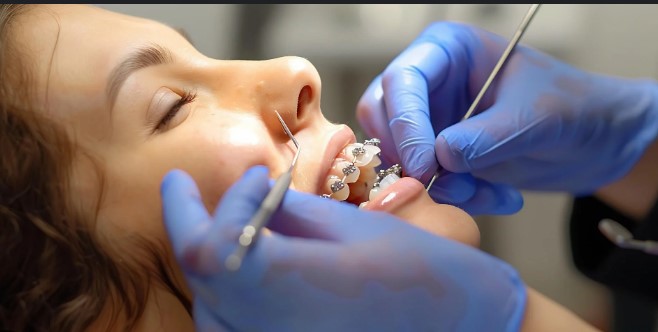
You can do everything right with braces or clear aligners and still end up frustrated if the basics of oral health slip. That is the part many people do not expect. You commit to appointments, wear rubber bands, keep trays in, and still hear that your gums are inflamed or a cavity is forming. It feels unfair, especially when orthodontic treatment already asks a lot from your time, money, and patience. This is also why many patients exploring cosmetic dentistry in west Houston learn that strong daily hygiene habits are essential to getting the best overall results.
The role of preventive care in supporting orthodontic success is simple to understand once you see the pattern. Teeth move best in a healthy mouth. When plaque builds up, gums swell, enamel weakens, and treatment can slow down or become more complicated. Preventive care keeps the foundation stable so the work your orthodontic treatment is doing can actually hold.
Healthy teeth and gums support orthodontic treatment from the start
Orthodontic treatment depends on controlled pressure. Braces and aligners guide teeth into better positions, but the surrounding bone and gums need to respond in a healthy way. If your gums are irritated or infected, that response is less predictable. Teeth may still move, but the process can become harder to manage, less comfortable, and more likely to leave you with problems that outlast the straight smile.
A general dentist often catches these issues before they turn into delays. Early signs of decay, weak spots in enamel, and gum inflammation are easy to miss at home, especially around brackets and wires. According to the CDC, cavities and tooth decay remain one of the most common oral health problems, and orthodontic appliances can make those areas even harder to clean.
This is where people get stuck. They think the main goal is straight teeth, so they put all their attention on movement and not enough on maintenance. Then white spots appear around brackets, or a small cavity turns into a filling that changes the treatment plan. Straight teeth do not feel like a win if the enamel is damaged when the braces come off.
Preventive dental care reduces delays, added costs, and avoidable setbacks
Preventive care is not just a cleaning every six months. It is the steady work that protects your progress. Professional cleanings remove buildup you cannot fully reach. Exams catch problems early. Fluoride strengthens enamel. Home care keeps bacteria from sitting around wires, attachments, and tight spaces between teeth.
If gum inflammation develops, the impact reaches beyond tenderness or bleeding. The CDC explains that gum disease can damage the tissues that support your teeth. In the setting of orthodontics, that matters. Moving teeth through unhealthy supporting structures creates more risk and can force treatment pauses while your mouth heals.
You may also notice the financial side quickly. A missed cleaning seems minor until it leads to a cavity, an emergency visit, extra imaging, or replacement of an appliance damaged by decay or gum issues. Preventive visits are usually far less expensive than restorative work, and they protect the investment you already made in orthodontic care.
Preventive dental care for braces also helps with comfort. Food trapped around brackets can feed bacteria and worsen bad breath, soreness, and irritation. Good daily care lowers that burden. MedlinePlus offers a practical overview of how to care for your teeth and gums, and those basics matter even more during orthodontic treatment.
Daily prevention and reactive care lead to very different outcomes
| Approach | What It Looks Like | Likely Result During Orthodontic Care |
| Consistent preventive care | Brushing after meals, flossing or using threaders, regular cleanings, fluoride use, routine dental exams | Healthier gums, lower cavity risk, fewer treatment delays, better cosmetic result after appliances come off |
| Reactive care only | Cleaning when something hurts, skipping checkups, brushing quickly around brackets or aligners | Higher chance of decay, swollen gums, white spot lesions, emergency visits, possible treatment interruptions |
| Orthodontic care without general dental follow up | Keeping orthodontic visits but missing hygiene and exam appointments | Tooth movement may continue, but hidden decay or gum problems can grow until they affect treatment |
The difference often shows up slowly, then all at once. One person finishes treatment with healthy enamel and stable gums. Another finishes with straight teeth but needs fillings, whitening for white spots, or gum treatment. The braces did their job in both cases. The mouth around them did not.
Orthodontic success depends on habits that hold up every week
Orthodontic success and oral health are tied together in ways that are easy to underestimate. A skipped night of brushing does not seem dramatic. A month of rushed brushing around brackets is a different story. Aligners present their own version of the same problem. If trays go back onto teeth that were not cleaned well, bacteria and sugars stay trapped against enamel for hours.
Children, teens, and adults all run into this. Kids may need hands on help longer than parents expect. Teens may be tired of the routine and start cutting corners. Adults often do a decent job but wear aligners through coffee, skip midday brushing at work, or postpone cleanings because life gets busy. None of this means you failed. It means prevention has to be built for real life, not ideal life.
Three practical steps support better results during treatment
- Keep your general dentist involved. Orthodontic visits do not replace dental exams and cleanings. Stay on schedule with a general dentist throughout treatment so small issues are handled before they become delays.
- Upgrade your home care for the appliance you have. Braces usually need floss threaders, interdental brushes, and more time at the sink. Aligners require brushing before trays go back in and cleaning the trays themselves. Use fluoride toothpaste and ask whether a fluoride rinse makes sense for you.
- Act early when something changes. Bleeding gums, lingering bad breath, chalky white spots, tooth sensitivity, or pain around one area should not wait until the next routine visit. Fast attention often means a smaller fix, less discomfort, and less disruption to treatment.
Preventive care protects the smile you are working for
Straighter teeth are only part of a good result. You want teeth that are healthy, gums that are stable, and a smile that still looks good after the brackets or trays are gone. Preventive care gives orthodontic treatment the support it needs to work well and finish strong.
If you are in orthodontic treatment now, or getting ready to start, keep your routine simple and consistent and stay connected with your general dentist. That steady effort does more than prevent problems. It protects the result you are putting so much into.
